
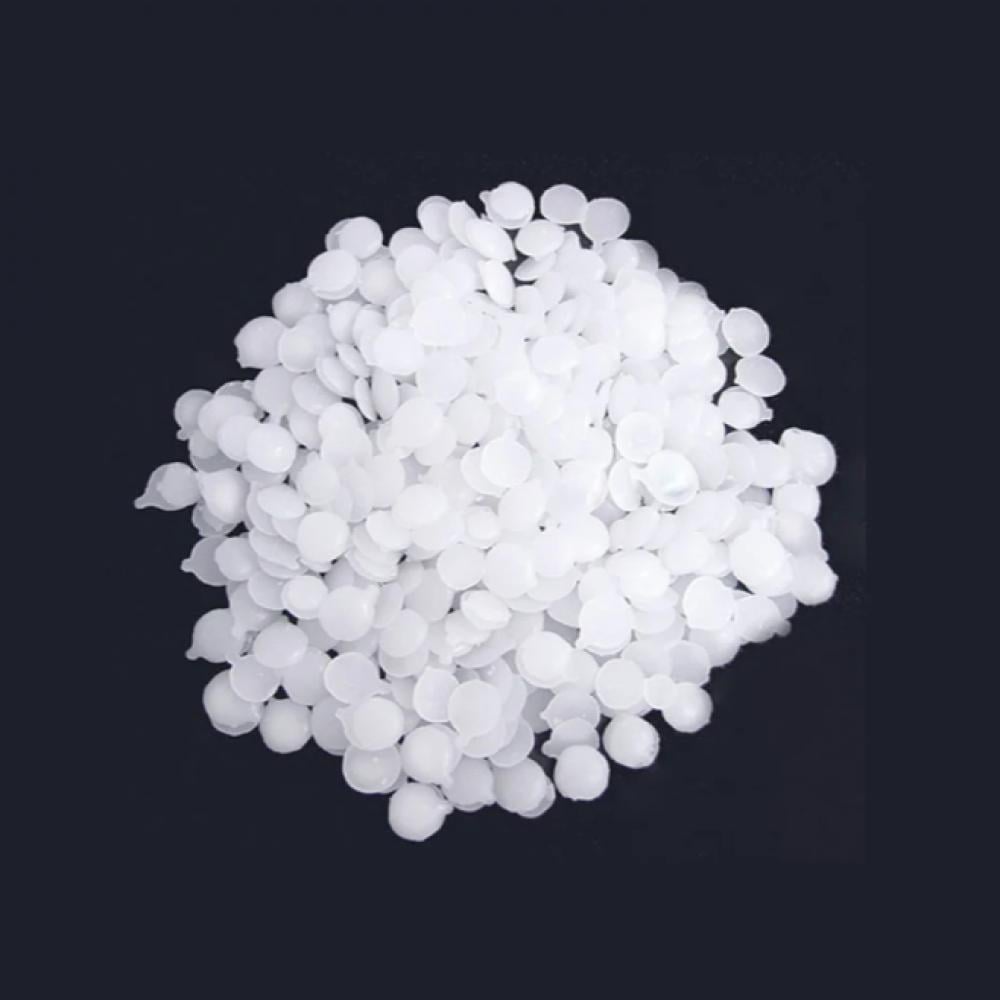
Beeswax is one of the oldest types of wax used in candle making throughout history, and it remains a popular natural choice among lovers of handmade and natural products. Beeswax is characterized by its solidity, light honey-like scent, and excellent burning properties, making it an ideal choice for crafting elegant and luxurious candles with a distinctive natural character.
What is beeswax?
Beeswax is a natural substance produced by worker bees to build the honeycomb in which honey is stored and larvae are raised. After the honey is harvested, the wax is collected and purified to remove impurities, then used in various fields, including candle making, personal care products, and some handicrafts.
Beeswax is typically yellow or golden in color, though this can vary depending on its purity and origin. It also has a light, natural fragrance reminiscent of honey and flowers, giving candles made from it a warm and natural character.
Advantages of beeswax
1. Natural and environmentally friendly
Beeswax is a natural product sourced from beehives, and it is biodegradable, so it is a suitable option for those looking for a natural raw material for candle making, away from synthetic materials.
2. Clean combustion and high quality
When used correctly and with a suitable wick, beeswax provides a clean and consistent burn. Its superior quality compared to many other types of wax makes it ideal for luxury candles and gifts.
3. Light, natural scent
One of the most distinctive features of beeswax is its pleasant, natural scent, similar to honey. Therefore, it can be used to make lightly scented candles without the need to add large quantities of essential oils.
4. Long burning time
Beeswax is characterized by its hardness and slow burning time, which helps extend the candle's lifespan compared to some other types of wax. This makes it a practical choice for candles that are used for longer periods.
5. Luxurious and natural appearance
Beeswax gives candles a warm and elegant look, especially when used in its natural golden color. Therefore, it is a suitable choice for luxury candles, gifts, party favors, and handmade products with a natural theme.
Uses of beeswax in candle making
Beeswax can be used in the manufacture of several types of candles, including:
Pillar candles
Beeswax is suitable for pillar candles because of its natural hardness and ability to retain its shape after hardening.
Mold candles
Beeswax can be poured into silicone or acrylic molds to make candles in various shapes, such as decorative candles, sculptural candles, and gift candles.
unscented natural candles
Thanks to its light, natural scent, beeswax can be used to make natural candles without adding essential oils, which is suitable for those who prefer calm and natural scents.
Mixtures with other types of wax
Beeswax can be mixed with other types of wax, such as soy wax, to improve the candle's hardness or modify its texture, especially in molded candles.
Comparing beeswax to other types of wax
When comparing beeswax to other types such as soy wax or paraffin wax, several important differences emerge:
In terms of source
Beeswax is a natural product from beehives, while soy wax is a plant-based product from soybeans, and paraffin wax is derived from petroleum.
In terms of cost
Beeswax is usually more expensive than soy wax and paraffin wax, due to its raw nature, its production being linked to bees and honey seasons, and its limited availability compared to some commercial waxes.
In terms of hardness
Beeswax has a higher hardness than soy wax, making it more suitable for candles that need stability and a clear shape, such as block and pillar candles.
In terms of smell
Beeswax has a light, natural scent similar to honey, while soy and paraffin waxes often require the addition of essential oils to achieve a distinct fragrance.
Tips for using beeswax in candle making
1. Melt the wax to a suitable temperature
Beeswax requires slightly higher temperatures than some other types of wax to melt completely. Therefore, it is best to melt it gradually, monitoring the temperature and avoiding excessive heat.
2. Choosing the right wick
Because of the density and hardness of beeswax, it is important to choose a wick that is appropriate for the size of the candle. An unsuitable wick may result in a weak or uneven burn.
3. Experiment with essential oils carefully
The natural scent of beeswax may affect the final scent of the candle, so it is preferable to use essential oils that are compatible with its natural character, such as honey, vanilla, flowers, woods, or warm scents.
4. Mold testing before production
When using beeswax in molds, it is preferable to do a small test to ensure that the candle is easy to remove from the mold, the shape is stable, the degree of shine is good, and the quality of the details is good.
5. Experimenting with mixtures
Beeswax can be blended with other types of wax to obtain different properties, such as improving hardness, modifying texture, or reducing cost, especially when producing larger quantities.
Is beeswax suitable for candle making?
Yes, beeswax is very suitable for candle projects that focus on natural, luxury, or handmade products. It gives the product a higher value and a distinctive look, and is also suitable for candles intended for gifts, giveaways, and high-end products.
Although it costs more than some other types of wax, its aesthetic and natural value makes it an excellent choice for products targeting customers seeking quality and excellence.
Summary
Beeswax is one of the best natural choices for candle making, thanks to its light fragrance, durability, excellent burn quality, and luxurious appearance. Whether you're making block candles, pillar candles, or unscented natural candles, beeswax will give you an elegant and distinctive result.
At Craft, you can find the right materials and tools for candle making, helping you to easily implement your ideas and achieve professional results.